
Choosing the perfect ring size can feel overwhelming—especially when you find yourself in between ring sizes. Whether you’re shopping for an engagement ring, a wedding band, or an everyday fashion piece, achieving the right fit is essential for both comfort and long-term wear. A ring that’s too tight can cause discomfort and restrict circulation, while a loose ring risks slipping off and getting lost.
Many people struggle with questions like “Should I size a ring up or down?” “Are ring sizes universal?”, or “Why does my ring fit differently throughout the day?” This guide answers those questions in detail and walks you through practical, expert-backed solutions to help you choose the best size—especially when you’re stuck between two.
By the end, you’ll have a clear, confident strategy for finding the perfect ring fit for your lifestyle and needs.

Understanding Ring Sizes
Before deciding whether to size up or down, it’s important to understand how ring sizes work. Ring size is determined by either the circumference or diameter of your finger, and different countries use different sizing systems. Some regions rely on numbers, others on letters, and some measure directly in millimeters.
These variations are one of the main reasons people end up between sizes—especially when shopping online or buying from international jewelers. Using a trusted resource, such as a ring size calculator, can help eliminate confusion and provide a consistent reference point across systems.
Are Ring Sizes Universal?
One of the most common misconceptions is that ring sizes are universal. In reality, ring sizes are not standardized globally.
- The United States uses a numerical system
- The United Kingdom uses an alphabetical system
- European sizes are often measured in millimeters
- Other regions follow their own variations
This means that a US size 7 does not directly correspond to a UK size N or a European size 54 without proper conversion. Even within the same country, slight differences can exist between jewelers due to manufacturing tolerances.
When shopping internationally or online, always rely on accurate conversion references and sizing guides. Understanding these differences is especially important when selecting rings meant for long-term wear, such as wedding bands.
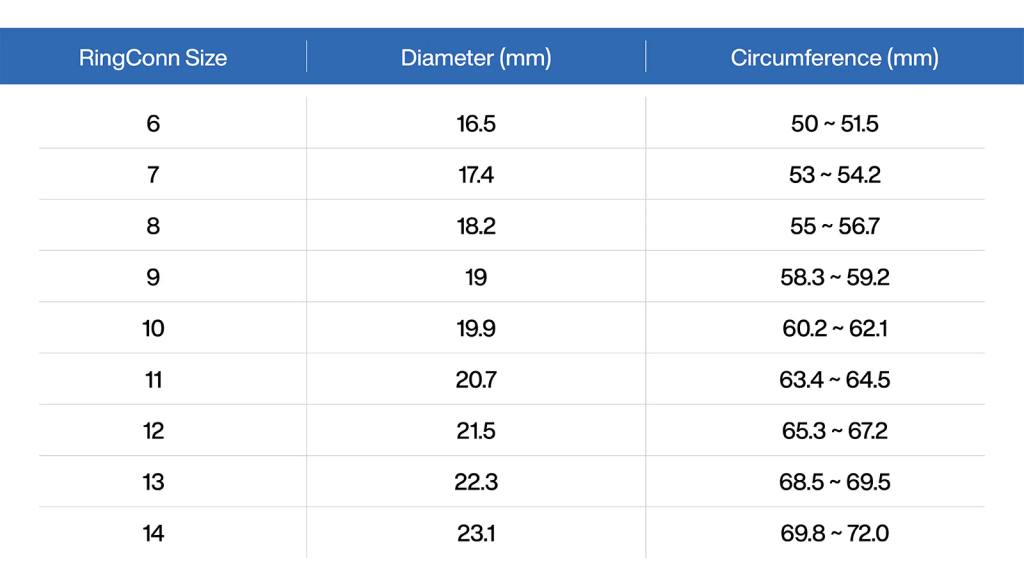
How to Pick the Right Ring Size
Finding the right ring size requires more than a quick guess. Accuracy matters—especially when you’re between sizes.
Measure Your Finger Correctly
There are several ways to measure your ring size, but not all methods are equally accurate:
- String or paper method: Convenient but prone to error if pulled too tight or too loose
- Printable ring sizers: More reliable when printed at the correct scale
- Physical ring sizing kits: One of the most accurate at-home options
Using a dedicated sizing tool, such as a ring-sizing kit, provides greater precision, especially if you frequently buy rings online. If you prefer a printable option, following the correct steps outlined in a guide on how to use a printable ring sizer can significantly improve accuracy.
For maximum precision, professional measurement by a jeweler remains the gold standard.
Why Bandwidth Changes Everything
Bandwidth plays a major role in how a ring feels. Wider bands fit tighter than thinner ones, even if the size number is the same. This is especially relevant for wedding bands and statement rings.
If you’re choosing a wide band, you may need to size up slightly for comfort. This is explained in more detail in this guide on understanding wedding band sizes, which highlights how band width impacts fit and long-term wearability.
Time, Temperature, and Finger Size Fluctuations
Finger size is not static. It changes throughout the day due to:
- Temperature (heat causes swelling, cold causes shrinkage)
- Physical activity
- Hydration levels
- Hormonal changes
The best time to measure your ring size is at the end of the day, when your fingers are at their largest. Measuring at multiple times and averaging the results can help if your size fluctuates often.
What to Do When You’re In Between Ring Sizes
Being between sizes is extremely common. The key is knowing how to decide.
Is It Better to Size a Ring Up or Down?
Sizing up is usually recommended, especially for everyday rings. A slightly larger ring is more comfortable and allows room for natural finger swelling. If needed, minor adjustments can be made using sizing beads or guards.
Sizing down may be preferable if the ring is top-heavy or if you prefer a snug fit. However, rings that are too tight can be uncomfortable and harder to resize later—particularly for complex designs.
Understanding how rings are supposed to fit can help you judge whether a ring feels secure without being restrictive.
Ring Material Matters
Not all rings are created equal when it comes to resizing. Materials like tungsten and titanium are extremely difficult—or impossible—to resize. If you’re buying a ring made from these metals, achieving the correct size from the start is critical.
For metals like gold or silver, resizing is usually possible, but it still comes with a cost and limitations depending on the design’s complexity.
read more:Ring Resizing: Cost, Process & What to Expect
Custom Solutions for Unique Fits
If standard sizes don’t work for you, there are alternatives:
- Adjustable rings for fluctuating finger sizes
- Custom-sized rings tailored to your exact measurements
- Sizing gauges for ongoing accuracy
Learning about the importance of ring sizing gauges can be helpful if you regularly purchase rings or want consistent measurements over time.
Are All Ring Sizes the Same Across Jewelers?
Even within the same country, ring sizes can vary slightly between manufacturers. Always check the jeweler’s sizing guide before purchasing.
If you’re buying a ring as a surprise gift, these tips for accurately guessing ring size can help reduce the risk of ordering the wrong size.
Lifestyle and Ring Fit
Your daily activities can influence your ideal ring size. Active lifestyles, manual work, or frequent temperature changes can cause fingers to swell more often. In such cases, a slightly looser fit may be more comfortable and practical.
For people with frequent size fluctuations, it’s also worth exploring whether a 3D-printable ring-sizing kit is accurate, as modern sizing tools can offer surprisingly precise results.
Frequently Asked Questions (FAQs)
1. What should I do if I’m exactly between two ring sizes?
Most jewelers recommend sizing up, especially for comfort and long-term wear. A slightly larger ring can always be adjusted.
2. Do fingers really change size during the day?
Yes. Finger size can fluctuate due to temperature, activity, and hydration, which is why timing your measurement matters.
3. Are wider rings supposed to feel tighter?
Yes. Wider bands cover more surface area and usually feel tighter, often requiring a half-size increase.
4. Can I rely on printable ring sizers?
Printable ring sizers can be accurate if printed correctly and used according to instructions, but physical sizing tools are more reliable.
5. Is resizing always possible?
No. Some materials and designs are difficult or impossible to resize, which makes accurate sizing at purchase even more important.
Conclusion
Finding the perfect ring size—especially when you’re in between sizes—doesn’t have to be stressful. By understanding how ring sizing works, measuring accurately, and considering factors like band width, material, and lifestyle, you can confidently choose a ring that fits comfortably and looks great.
When in doubt, sizing up is often the safer choice, and consulting professional tools or jewelers can prevent costly mistakes. Taking the time to get the fit right ensures your ring remains comfortable, secure, and enjoyable to wear for years to come.
With the right approach and reliable sizing resources, you’ll never have to second-guess your ring size again