
Selecting an engagement ring can feel overwhelming, especially when deciding on the right diamond size. With so many variables—budget, lifestyle, trends, and personal preferences—it’s common to ask: what is the average diamond size for an engagement ring? Understanding this can help you make a confident, informed decision that balances beauty, meaning, and practicality.
Choosing the right diamond size isn’t about following trends blindly or meeting societal expectations. Instead, it’s about finding a diamond that reflects your partner’s personality, complements their lifestyle, and fits comfortably within your budget. By understanding average diamond sizes, regional trends, and the factors that influence carat choice, you can turn a stressful decision into an enjoyable and memorable experience.
Understanding the Average Diamond Size for Engagement Rings
The average diamond size for an engagement ring in the United States typically falls between 1 and 1.2 carats. This range has become the modern standard because it offers a noticeable presence without being impractical or excessively expensive.
However, averages are just benchmarks. Diamond size preferences vary significantly by geography, income level, cultural values, and individual taste. Some couples prioritize visual impact, while others value craftsmanship, symbolism, or long-term wearability.
If you’re still exploring how size relates to finger proportions, our detailed guide on average ring size for women can help you visualize how different carat weights appear on various finger sizes.
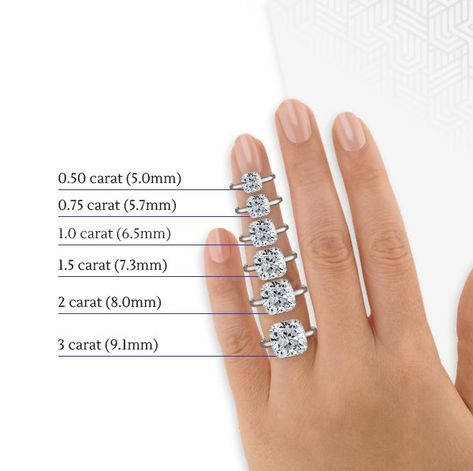
Average Engagement Ring Diamond Size by State
Diamond ring size trends differ across the U.S., often reflecting economic conditions and cultural expectations.
- New York & California: Average engagement rings often range from 1.3 to 1.5 carats, influenced by higher incomes and luxury-driven markets.
- Midwestern & Southern states: Many couples opt for diamonds between 0.7 and 1 carat, balancing elegance and affordability.
- Rural regions: Engagement rings typically range from 0.5 to 0.9 carats, where understated style and practicality take priority.
Celebrity culture and social media also influence regional trends, but personal comfort and lifestyle should always take precedence over external expectations.
International Diamond Size Perspectives
Globally, average diamond sizes tend to be smaller than in the U.S.:
- United Kingdom: Around 0.6 carats
- Japan: Typically 0.3 to 0.5 carats
- Europe: Many countries favor diamonds under 1 carat
In many cultures, craftsmanship, symbolism, and longevity matter more than size. Buyers often prioritize cut quality and clarity, which enhances brilliance regardless of carat weight.
For couples inspired by minimalist or classic styles, exploring different diamond shape rings and their visual impact can help maximize appearance without increasing size.
Key Factors That Influence Diamond Size Choice
Budget Considerations
Budget is the most significant factor in determining diamond size. Larger diamonds increase in price exponentially, especially once you cross popular milestones like 1 carat.
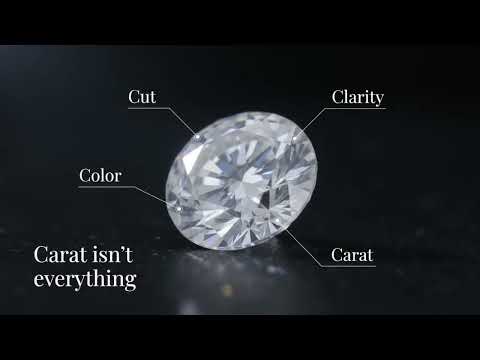
Instead of focusing solely on size, balancing carat weight with the 4Cs (cut, color, clarity, and carat) ensures better overall value. A smaller diamond with an excellent cut can appear larger and more brilliant than a poorly cut larger stone.
It is also helpful to explore diamond size vs price comparisons when planning your budget.
Personal Style and Preferences
Some people love bold, statement jewelry, while others prefer subtle elegance. A diamond should complement the wearer’s personal style and feel natural in everyday life.
- Minimalist style → smaller or mid-sized diamonds
- Glamorous style → larger center stones or halo settings
- Vintage taste → intricate designs with moderate carat weight
Ring Design and Setting Style
Ring settings dramatically affect perceived diamond ring size:
- Halo settings make center diamonds look larger
- Thin bands emphasize stone size
- Elongated shapes (oval, pear, marquise) appear bigger per carat
If you’re unsure how engagement ring settings affect size perception, our engagement ring setting guide explains it in detail.
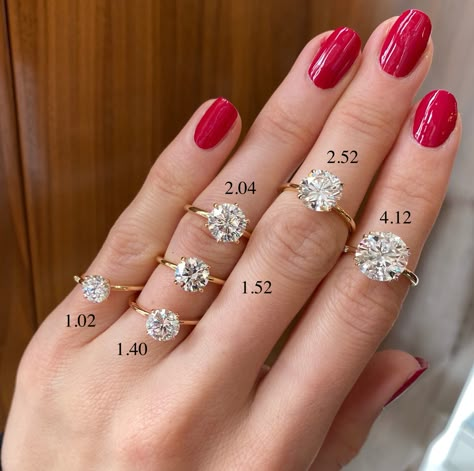
Trends and Cultural Influence
Trends can create pressure to “go bigger,” but it’s essential to choose a diamond size that feels authentic to your relationship. A ring should symbolize commitment—not comparison.
How to Choose the Right Diamond Size
Assess Your Budget First
Decide on your spending range early. Prioritizing cut quality often results in a more visually impressive diamond than increasing carat weight alone.
Consider the Wearer’s Lifestyle
For active lifestyles or hands-on professions, lower-profile settings or slightly smaller diamonds are more practical and comfortable.
Try Multiple Sizes in Person
Trying on rings at a jeweler lets you see how different carat weights look on your hand. Finger size significantly affects visual perception—smaller fingers make diamonds appear larger.
To better understand proportion, review our ring size measurement guide.
Think Long-Term
An engagement ring is worn daily. Choose a diamond size that remains comfortable, durable, and timeless—not just impressive at first glance.
Frequently Asked Questions
1. What is considered a good diamond size for an engagement ring?
A good diamond size typically falls between 0.7 and 1.2 carats, offering a balance between visibility, affordability, and comfort.
2. Is a 1-carat diamond considered significant?
A 1-carat diamond is considered a classic and desirable size. While not oversized, it provides excellent presence when paired with a high-quality cut.
3. Does the diamond shape affect how large it looks?
Yes. Oval, pear, marquise, and emerald-cut shapes appear larger than round diamonds of the same carat weight because of their surface area.
4. Is it better to choose a smaller diamond with better quality?
Often, yes. A smaller diamond with excellent cut and clarity can outperform a larger stone with lower quality in brilliance and beauty.
5. How does finger size affect diamond size choice?
Smaller fingers make diamonds appear larger, while larger fingers may require slightly higher carat weight for balanced proportions. Matching the diamond size to the ring size is key.
Conclusion: What Is the Best Diamond Size for an Engagement Ring?
There is no universal “perfect” diamond size. While the U.S. average sits around 1 to 1.2 carats, the best diamond is one that aligns with your budget, lifestyle, and emotional connection.
A thoughtfully chosen diamond—regardless of size—becomes meaningful through the love it represents. By focusing on quality, comfort, and your personal values, you’ll select a ring that will be cherished for a lifetime.