
Choosing the correct men’s ring size is essential for comfort, durability, and everyday wear. A properly fitting ring should slide over the knuckle with ease, stay securely in place, and remain comfortable throughout the day. Unfortunately, many men are unsure of their exact ring size, which can lead to discomfort, spinning rings, or costly resizing.
Men’s rings—whether wedding bands, signet rings, or pinky rings—tend to be wider and heavier than women’s styles. This makes accurate sizing even more important. Understanding how ring sizes work, how to measure correctly, and how to interpret sizing charts ensures a confident purchase and long-term satisfaction.
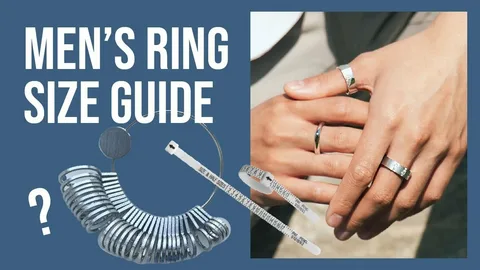
Porque é que saber o tamanho do seu anel é importante
A well-fitted ring provides both comfort and security. Rings that are too tight may restrict circulation or become difficult to remove, while loose rings can spin constantly or slip off unnoticed.
Correct sizing is especially important for meaningful purchases, such as wedding bands. A properly sized ring maintains its symbolism while remaining practical for daily wear. When gifting a ring, knowing the correct size also avoids resizing delays and unnecessary stress.
Reliable sizing tools and references, such as men’s ring sizing resources, help simplify the process and improve accuracy.
The Basics of Men’s Ring Sizes
Men’s ring sizes are based on the inner circumference or diameter of the ring, usually measured in millimeters. In the United States, men’s ring sizes commonly range from 8 to 14, with size 10 being the most frequently worn.
Sizing systems vary by region, so international conversions are often necessary when shopping online. Understanding how sizing standards work helps avoid ordering the wrong size, especially for wider bands or specialty rings.
Sizing fundamentals and measurement principles are explained in detail within men’s ring size standards and measurement systems.
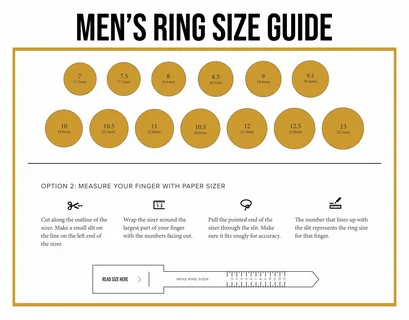
How to Read a Men’s Ring Size Chart
A men’s ring size chart connects finger measurements to standardized ring sizes. These charts typically display:
- Ring size numbers
- Finger circumference in millimeters
- Diameter measurements
- International size equivalents
To use a chart effectively, measure your finger circumference and match it to the closest size listed. Always confirm the chart aligns with your region, as size numbering may differ internationally.
Sizing clarity improves when referencing men’s wedding band size charts, especially for wider rings.
How to Measure Men’s Ring Size at Home
Measuring your ring size at home is straightforward when done carefully. Using multiple methods improves accuracy and reduces sizing errors.
Método da corda ou do papel
Wrap a thin string or narrow strip of paper around the base of your finger. Mark where the ends meet, then measure the length in millimeters. Compare this measurement to a men’s ring size chart.
The string or paper should feel snug but not tight. Avoid compressing the skin, as this can result in a smaller size than needed.
Calibradores de anéis imprimíveis
Printable sizing templates allow you to wrap a paper sizer around your finger or measure an existing ring. Ensure the document prints at 100% scale to avoid inaccuracies.
Ring Sizer Tools
Reusable ring sizer tools provide one of the most accurate at-home measurements. These tools include multiple ring sizes that slide onto the finger to test comfort and fit.
Tools like those included with the perfect ring-sizing kit are especially useful for frequent buyers or for wide-band sizing.
Measure your finger at the end of the day when swelling is most likely. Avoid measuring in cold conditions, as fingers shrink.
Understanding Men’s Ring Measurements
Men’s ring sizing depends on more than circumference. Finger shape, knuckle width, and band thickness all affect how a ring fits. A ring should pass over the knuckle comfortably while sitting securely at the base of the finger.
Measurement principles, diameter comparisons, and sizing variations are outlined in men’s ring measurements, helping buyers understand why two rings of the same size may feel different.
Common Men’s Ring Sizes and What’s Average
In the U.S., the average man’s ring size is 10, though this varies based on height, hand size, and finger thickness. Men with larger hands often wear sizes 11 to 13, while slimmer fingers may fall between sizes 8 and 9.
Lifestyle also influences size. Manual labor, exercise routines, and climate can all affect finger swelling. Periodic size checks help maintain comfort over time.
Sizing insights and real-world comparisons are included in men’s ring size explanations to clarify expectations.
Choosing the Right Ring Style for Fit
Bandwidth Considerations
Wider bands feel tighter than thinner bands. Men’s wedding bands often range from 6mm to 10mm, and sizing up by half a size is common for wider styles.
Comfort-Fit vs. Standard Fit
Comfort-fit rings have rounded interiors that reduce pressure. These are ideal for daily wear and larger knuckles.
Metal Choice
Heavier metals like platinum may feel tighter due to their weight, while lighter metals offer greater comfort.
Men’s Pinky Ring Sizing
Pinky rings require special sizing attention. The pinky finger is smaller and more tapered, often requiring a size 1 to 2 sizes smaller than the ring finger.
Accurate measurement is essential to prevent spinning or slipping. Style, band width, and knuckle size all affect pinky ring fit, as explained in the article Choosing the Right Size for Men’s Pinky Rings.
What to Do If Your Ring Doesn’t Fit Perfectly
Finger size can change over time due to weight fluctuations, aging, or temperature. If a ring no longer fits properly, several solutions are available.
Resizing
Professional resizing offers a permanent solution for rings that feel too tight or loose. Most metals can be resized, though designs with engravings or certain materials may have limitations.
Temporary Adjustments
Ring adjusters and sizing inserts temporarily improve fit. These are useful for seasonal swelling or short-term size changes.
Tips for Accurate Ring Size Measurement
- Measure at the end of the day
- Avoid cold temperatures
- Use multiple methods to confirm size
- Account for bandwidth
- Re-measure periodically
These practices help ensure a comfortable, long-term fit.
FAQs About Men’s Ring Sizes
1. What is the most common men’s ring size?
Size 10 is the most common men’s ring size in the U.S., though individual sizes vary.
2. Should men size up for wide bands?
Yes. Wide bands usually feel tighter, so sizing up by half a size is often recommended.
3. How tight should a man’s ring feel?
A ring should slide over the knuckle with slight resistance and rest comfortably without pinching.
4. Do men’s ring sizes change over time?
Yes. Weight changes, aging, and lifestyle factors can affect finger size.
5. Is professional sizing more accurate than home methods?
Yes. Professional sizing accounts for finger shape, knuckle size, and band width more precisely.
Considerações finais
Understanding men’s ring sizes removes uncertainty from the buying process. Accurate measurement, proper chart interpretation, and awareness of fit factors ensure comfort and confidence with every ring purchase.
Whether selecting a wedding band, fashion ring, or pinky ring, knowing your size helps prevent discomfort and resizing issues. With the right tools and knowledge, choosing the perfect fit becomes simple and reliable.