
Choosing the right ring size is far more important than many people realize. A properly fitting ring feels comfortable, sits balanced on your hand, and stays securely in place throughout daily activities. Whether you’re shopping for a wedding band, engagement ring, fashion jewelry, or a meaningful gift, understanding how rings are supposed to fit can help you avoid discomfort, resizing costs, and the risk of losing a cherished piece.
This in-depth guide explains exactly how a ring should feel, where it should sit on your finger, how to tell if it’s too tight or too loose, and how finger shape, band width, and lifestyle all influence the perfect fit.
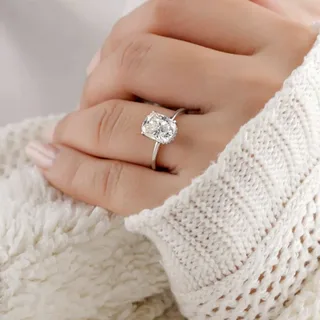
Where Should a Ring Sit on Your Finger?
A ring should sit at the base of your finger, resting comfortably just above the knuckle. This position keeps the ring secure while still allowing natural finger movement.
Ideally, the ring should:
- Stay in place without spinning excessively
- Feel stable when your hand is relaxed
- Not slide down toward the knuckle on its own
If a ring frequently shifts position or rotates, it’s often a sign that the fit isn’t quite right.
How Should a Ring Fit?
A properly fitting ring strikes a balance between snugness and comfort.
Here’s what a good fit feels like:
- The ring slides on easily over the knuckle
- There is slight resistance when removing it
- It doesn’t pinch, squeeze, or leave deep marks
- It feels secure but not restrictive
If your ring leaves red indentations, causes numbness, or feels uncomfortable after a few hours, it’s likely too tight. On the other hand, if it slips off with little effort, it may be too large.
When you’re between two sizes, this guide explains how to find the perfect fit in between ring sizes and choose the most comfortable option.
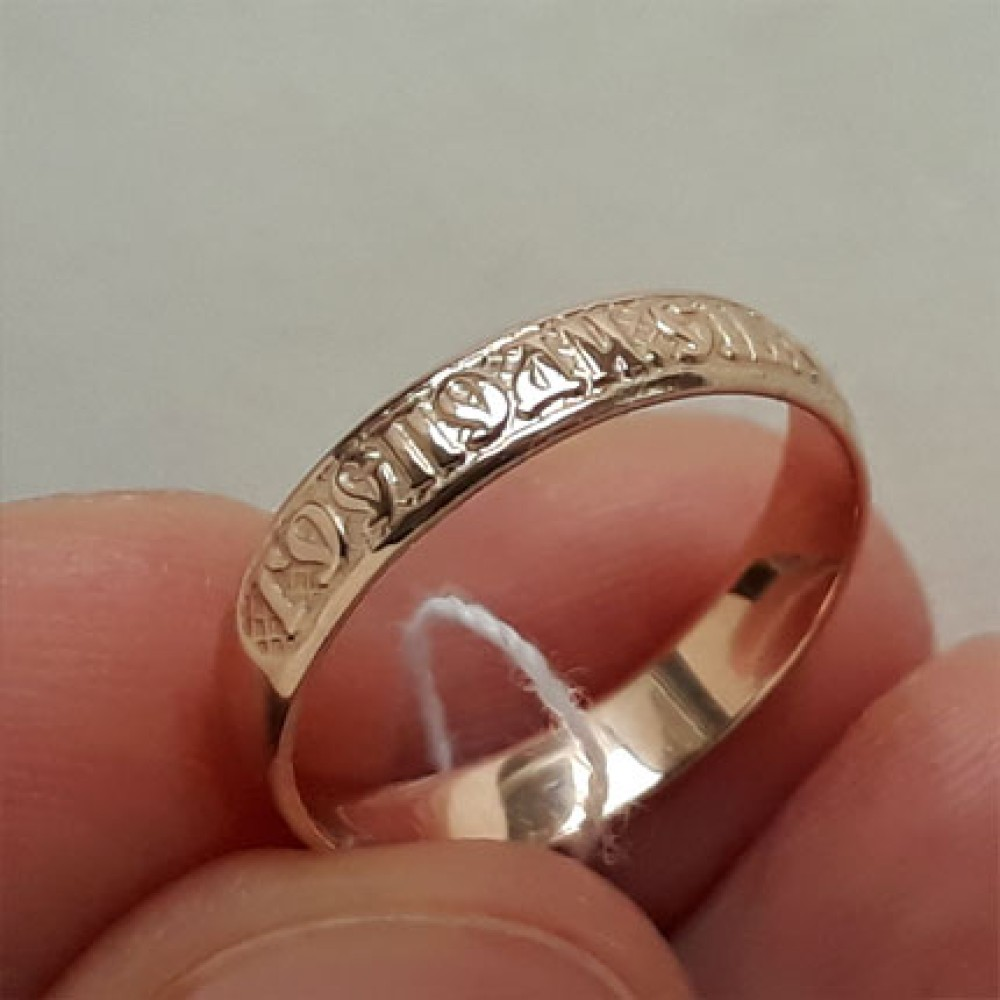
Are Rings Supposed to Be Tight?
No—rings are not supposed to be tight.
A ring that is too tight can:
- Restrict blood flow
- Cause swelling or discomfort
- Be difficult or painful to remove
- Increase the risk of skin irritation
Finger size naturally changes throughout the day due to temperature, hydration, and physical activity. A ring that feels fine in the morning may feel tighter in the evening. That’s why comfort should always be prioritized over an ultra-snug fit.
How to Tell if a Ring Is Too Big
A ring that’s too large can be just as problematic as one that’s too tight. Not only is it uncomfortable, but it also increases the risk of losing your jewelry.
Signs a Ring Is Too Big
- It spins or twists frequently
- It slides off easily without resistance
- It falls off when washing hands
- It feels loose in cold weather
A simple test: gently shake your hand. If the ring moves significantly or slips down your finger, it’s likely too big.
For those with naturally slender fingers, this guide on finding the perfect fit for small ring sizes offers helpful sizing tips.
Proper Ring Fit: Measuring Tips That Matter
Accurate sizing is essential for long-term comfort. Even a half-size difference can change how a ring feels.
Measure at the Right Time
Measure your finger when it’s at a normal temperature—ideally mid-day. Avoid measuring:
- Early morning (fingers are smaller)
- Late evening (fingers may be swollen)
- After exercise or exposure to heat
Use the Right Tools
A professional ring sizer provides the most reliable measurement. If you’re sizing at home, investing in a proper tool helps avoid errors. This guide to choosing the perfect ring sizing kit explains what to look for.
Consider Bandwidth
Wider bands fit more snugly than thin ones. If you’re choosing a wide ring:
- Consider going half a size up
- Test comfort during movement
Account for Knuckles
If your knuckle is wider than the base of your finger:
- The ring should slide over the knuckle comfortably
- It shouldn’t spin once in place
Think Long-Term
Lifestyle factors such as pregnancy, weight fluctuations, or arthritis can affect finger size. If your finger size tends to change, comfort and flexibility are especially important.
For additional sizing tools and education, My Ring Size Calculator is a reliable reference point.
How Should a Wedding Ring Fit?
Wedding rings are worn daily, so comfort is critical.
A wedding band should:
- Feel secure but not tight
- Allow slight resistance when removing
- Stay in place during everyday tasks
Because wedding rings are worn for years, it’s better to choose a slightly more comfortable fit rather than something overly snug.
Correct Ring Fit for Different Finger Types
Finger shape plays a major role in how rings fit and feel.
Slender Fingers
- Choose a snug fit to prevent slipping
- Thin or medium bands work best
Knobby Knuckles
- Size for the knuckle, not the base
- Ensure the ring doesn’t spin once past the knuckle
Wide Fingers
- Avoid overly tight bands
- Wider bands often look more proportional
Tapered Fingers
- Rings may slip easily
- Ring adjusters or sizing inserts can help
Understanding your finger type can prevent constant resizing and discomfort.
Taking Care of a Properly Fitted Ring
Once your ring fits correctly, proper care keeps it that way.
Regular Cleaning
Clean your ring to prevent buildup that can affect comfort.
Safe Storage
Store rings separately to avoid scratches or bending.
Avoid Harsh Conditions
Remove rings during:
- Heavy lifting
- Cleaning with chemicals
- Sports or manual work
Periodic Fit Checks
Your finger size may change over time, so reassess the fit occasionally.
Frequently Asked Questions (FAQs)
1. How snug should a ring feel?
A ring should feel secure with slight resistance when removing, but never tight or painful.
2. Is it better for a ring to be tight or loose?
Slightly loose is better than tight, as fingers swell naturally throughout the day.
3. Do wider rings fit differently than thin rings?
Yes, wider bands feel tighter and often require a half-size increase.
4. Why does my ring fit differently in summer and winter?
Temperature affects finger size—heat causes swelling, cold causes shrinking.
5. What if I’m between ring sizes?
Choosing the larger size is often more comfortable. See this guide in-between ring sizes for help.
Conclusion
Understanding how rings are supposed to fit ensures comfort, security, and confidence. A well-fitting ring should feel like a natural extension of your hand—secure enough to stay in place, yet comfortable enough to wear all day without irritation.
By considering finger shape, band width, lifestyle, and proper sizing techniques, you can avoid common fit issues and enjoy your jewelry exactly as it’s meant to be worn