
Selecting the ideal ring size can feel overwhelming, especially when you want a flawless fit. A ring that’s too tight can feel uncomfortable, while one that’s too loose risks slipping off and getting lost. Whether you’re buying a ring for yourself or choosing a meaningful gift for someone special, understanding ring sizing is essential.
In this comprehensive guide, we focus specifically on choosing the perfect size 6 ring—one of the most popular ring sizes. You’ll learn how ring sizes work, how to measure accurately, how finger choice affects fit, and what to consider when your size falls between measurements. With the right knowledge, you can confidently select a ring that feels comfortable, secure, and stylish.
Understanding Ring Sizes
Ring sizes are not as straightforward as they may seem. Several factors influence how a ring fits, including finger shape, knuckle size, band width, and even the time of day you measure.
A size 6 ring is commonly chosen because it fits a wide range of people, particularly those with smaller to average-sized hands. However, comfort depends on more than just the number. Learning how sizing works will help you avoid common mistakes and ensure a better fit.
If you’re new to ring sizing or want a solid foundation, reviewing a smart guide to ring sizes can provide valuable context before committing to a size.
The Importance of Accurate Measurement
Accurate measurement is the foundation of a well-fitting ring. Even a difference of 0.5 mm can affect how comfortable a ring feels throughout the day.
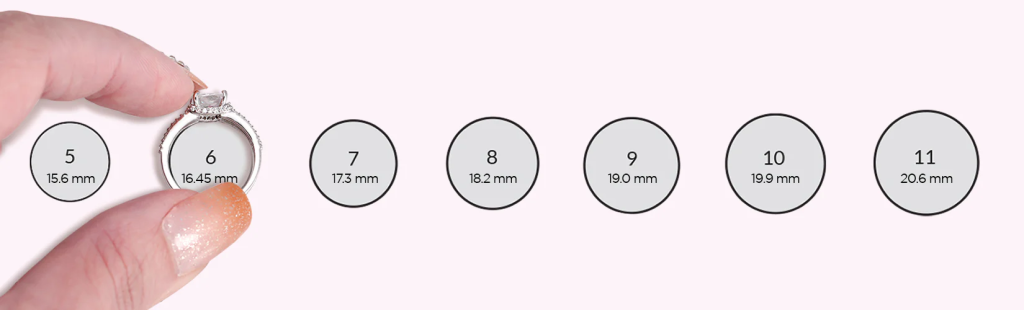
A size 6 ring generally corresponds to an internal diameter of approximately 16.5 mm, but this can feel different depending on finger shape and band style. Fingers naturally expand and contract due to temperature, physical activity, and hydration levels. This makes precision especially important when choosing a ring meant for daily wear.
Using proper tools, such as professional sizing gauges, significantly improves accuracy. Understanding the importance of ring sizing gauges can help you avoid underestimating or overestimating your true size.
How to Measure Ring Size at Home
Measuring your ring size at home is possible and convenient, especially when professional sizing isn’t immediately available.
String or Paper Method
Wrap a thin strip of paper or string around the base of your finger. Mark where it overlaps, then measure the length with a ruler. This gives you the circumference of your finger in millimeters, which can be matched to a ring size chart.
Ring Sizer Tools
Home ring sizer kits are more accurate than string or paper methods. They mimic professional tools and allow for repeated measurements. If you’re considering, choosing the perfect ring sizing kit can help you understand which tools work best.
Measure Multiple Times
For the most reliable result, measure your finger more than once and at different times of the day. This helps account for natural size fluctuations.
Choosing the Right Finger for Your Ring
The finger you choose plays a major role in determining whether a size 6 ring will fit comfortably.
Small Ring Finger Size
The ring finger is the most common finger for rings, especially engagement and wedding bands. For many people, a size 6 fits the ring finger perfectly, particularly on smaller hands. If you’re specifically curious about how this size fits, understanding the size six ring finger offers deeper insight.
Middle Finger Ring Size
The middle finger is typically thicker than the ring finger. While some people can wear a size 6 on this finger, many require a size 7 or larger for comfort.
Index and Pointer Finger Ring Size
Index fingers are often wider at the base and knuckle, making them less predictable. A size 6 may feel tight, especially with wider bands.
Thumb Ring Size
Thumbs are usually the largest digits. A size 6 ring rarely fits comfortably on a thumb unless the hand is particularly small.
Understanding Size Differences Between Fingers
It’s completely normal for finger sizes to vary across the same hand. In addition, your dominant hand typically has slightly larger fingers than your non-dominant hand due to increased use.
This means a size 6 ring may fit perfectly on one hand but feel tight or loose on the other. Always measure the exact finger and hand where the ring will be worn.
How to Visualize 1 mm in Ring Sizing
A single millimeter might sound insignificant, but in ring sizing, it can make a noticeable difference. One helpful way to visualize 1 mm is to compare it to the thickness of a standard credit card. Even this small change can affect comfort, especially for snug-fitting rings.
In-Between Ring Sizes: What Should You Do?
Many people discover their finger size falls between standard measurements. This is especially common with size 6 rings.
In these situations, it’s usually best to choose the slightly larger size, particularly for rings worn daily. Fingers swell throughout the day, and a slightly looser ring is generally more comfortable than a tight one.
If you’re unsure how to decide, finding the perfect fit in between ring sizes provides practical guidance for making the right choice.
Ring Size Conversion: A Global Perspective
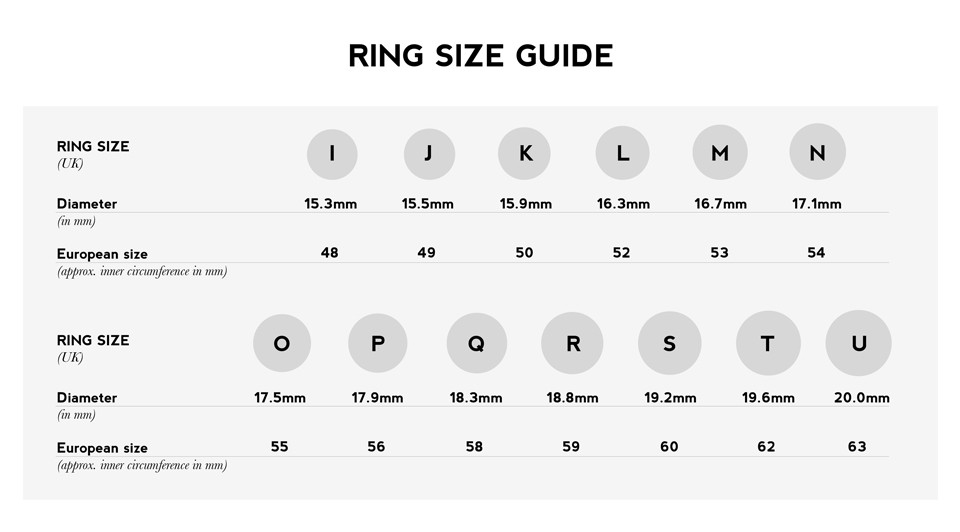
Ring sizes vary across countries. While the U.S. uses a numeric system, other regions use letters or different units of measurement. A size 6 in the U.S. may not directly match sizes used in Europe, the UK, or Asia.
If you’re shopping internationally, always check conversion charts and retailer sizing guides. For consistent and reliable sizing references, My Ring Size Calculator is a helpful resource.
Tips for Achieving the Perfect Fit
Getting the perfect size 6 ring requires attention to more than just measurements.
- Measure at the Right Time: Measure your finger at the end of the day when it’s at its largest.
- Consider Band Width: Wider bands fit more snugly and may require going up half a size.
- Account for Knuckle Size: Make sure the ring slides comfortably over the knuckle without being too loose at the base.
- Test with a Sizer: Adjustable or multi-size ring sizers provide the most accurate results.
Frequently Asked Questions
1. Is size 6 considered a small ring size?
Size 6 is generally considered a small-to-average ring size and is one of the most commonly purchased sizes.
2. Can finger size change over time?
Yes. Weight changes, temperature, pregnancy, and aging can all affect finger size.
3. Does bandwidth affect how a size 6 ring fits?
Absolutely. Wider bands feel tighter and may require a half-size adjustment for comfort.
4. Should I size up if I’m between sizes?
In most cases, choosing the slightly larger size offers better comfort, especially for daily wear.
5. Is measuring at home accurate enough?
Home measurements can be accurate when using proper tools, especially sizing kits or gauges, but professional confirmation is ideal.
Final Thoughts
Choosing the perfect size 6 ring takes preparation, but the effort is worth it. A well-fitting ring feels comfortable, stays secure, and enhances the overall wearing experience. By understanding how ring sizes work, measuring accurately, and considering finger differences and band styles, you can make a confident, informed decision.
Whether you’re buying a ring for yourself or gifting a meaningful piece to someone else, this guide equips you with the knowledge needed to select the ideal fit. When in doubt, combining careful at-home measurement with professional guidance ensures the best possible outcome.