
Ring sizes are typically measured in numbers, with the most common range for women falling between size 3 and size 9. These sizes are based on the circumference of your finger, which provides a numerical reference that helps in selecting the appropriate ring. Choosing the correct size is essential, as a ring that’s too small can feel uncomfortable and restrictive, while a ring that’s too large may slip off easily and risk being lost.
Beyond comfort, the right ring size also ensures the jewelry looks balanced and sits properly on the finger. Whether you’re shopping for an engagement ring, a fashion accessory, or a gift, understanding how small ring sizes work will help you make a confident and informed choice. If you’re unsure where to start, using a trusted ring size calculator can help you determine the most accurate size before purchasing.
What Is the Smallest Ring Size for Women?
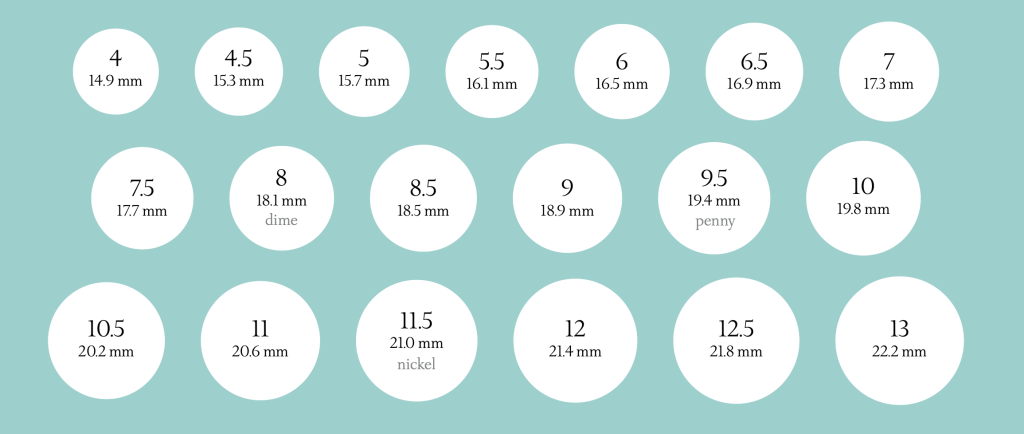
The smallest standard ring size for women is typically size 3. This size corresponds to a finger circumference of approximately 44 millimeters, making it ideal for individuals with very slender fingers or petite hands. While size 3 is considered rare, it is still available through many jewelers, especially those offering custom sizing options.
For people with exceptionally small fingers, custom jewelers can create rings smaller than size 3. This is especially useful for teens, individuals with narrow hands, or those purchasing pinky rings. If you fall into this category, it’s strongly recommended to use a professional ring sizing chart or consult a jeweler to ensure accuracy.
Because small sizes can vary slightly between brands, accurate measurement is essential to avoid discomfort or resizing later.
Small Ring Finger Size: Is a Size 5 Ring Small?
A size 5 ring is generally considered small for adult women. It has a circumference of about 49 millimeters and is commonly worn by women with slender fingers. This size offers a comfortable fit without feeling tight or restrictive and is widely available in most jewelry collections.
For many women, size 5 strikes a balance between delicacy and wearability. It’s small enough to appear elegant but large enough to remain practical for everyday use. Whether you’re wearing a minimalist band or a gemstone ring, size 5 works well for both casual and formal styles.
If you’re unsure whether size 5 is right for you, using an online ring sizing guide or trying on rings at different times of day can help you determine the best fit.
How to Measure Your Ring Size
Knowing how to measure your ring size accurately is the foundation of finding the perfect fit. There are several reliable methods you can use, whether at home or with professional tools.
Using a Ring Sizing Tool
Ring sizing tools are one of the most accurate methods available. These tools consist of multiple ring loops in different sizes, allowing you to try each one until you find the most comfortable fit. Many jewelers provide these tools for free, and they’re also available online.
Using a sizing tool ensures accuracy and eliminates guesswork—especially important when buying rings online or selecting a smaller size where precision matters.
Measuring at Home
If you don’t have access to a sizing tool, you can measure your ring size at home using a string or paper strip.
Steps:
- Cut a piece of string or paper about 6 inches long
- Wrap it snugly around the base of your finger
- Mark where the ends meet
- Measure the length in millimeters
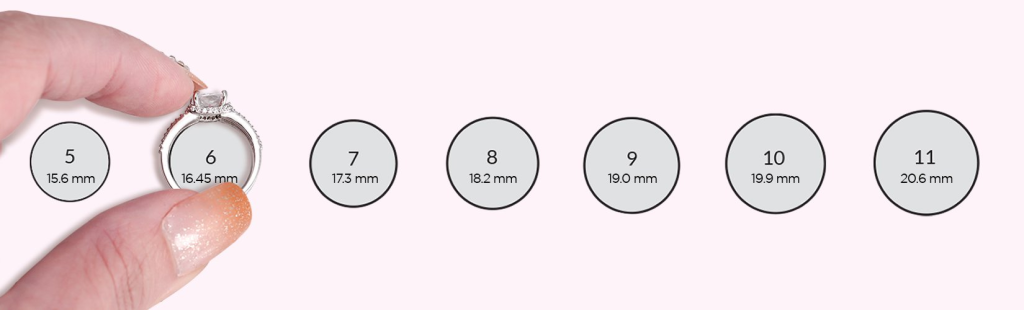
- Compare the measurement with a ring size chart
Repeat the process a few times to ensure accuracy. Measuring at different times of day can also help you find the most consistent result.
Factors to Consider When Choosing a Ring Size
Temperature and Time of Day
Finger size fluctuates throughout the day due to temperature changes. Fingers tend to swell in warm weather and shrink in cold conditions. The best time to measure is in the evening when your fingers are at their largest.
Avoid measuring first thing in the morning or when your hands are cold, as this may result in a size that feels too tight later.
Band Width
Band width plays a significant role in how a ring fits. Wider bands feel tighter than thin ones, even if they are the same size. If you’re choosing a thicker ring, consider going up half a size for comfort.
This is especially important for statement rings, signet rings, or smart rings where width affects fit significantly.
Knuckle Size
If your knuckles are larger than the base of your finger, you may need to size up so the ring can slide over comfortably. However, the ring should still fit snugly once it’s past the knuckle.
In such cases, a professional jeweler can help you find a balance between comfort and security.
Common Ring Sizes: Small, Medium, and Large
Small Ring Sizes
Small ring sizes typically range from size 3 to size 5. These are ideal for:
- Petite hands
- Slender fingers
- Pinky or midi rings
They are often chosen for delicate designs and minimalist jewelry styles. Small sizes offer a refined and elegant look but require accurate ring measurement due to limited sizing flexibility.
Medium Ring Sizes
Medium sizes generally range from size 6 to size 7, making them the most common ring sizes for women. These sizes fit a wide variety of finger shapes and are readily available in most jewelry collections.
Size 6, in particular, is often used as the standard sizing option for engagement and fashion rings.
Large Ring Sizes
Large ring sizes start from size 8 and above. These sizes are ideal for:
- Wider fingers
- Larger knuckles
- Preference for a looser fit
Larger sizes are also common in statement rings and bold designs. Many jewelers now offer extended sizing to ensure inclusivity and comfort for all wearers.
Tips for Buying Rings Online
Buying rings online can be convenient, but sizing accuracy is critical. To avoid returns or resizing, follow these tips:
- Use a verified ring size calculator
- Check the retailer’s sizing guide carefully
- Read customer reviews for fit accuracy
- Choose stores with flexible return or exchange policies
- Consider ordering multiple sizes if allowed
Taking these steps reduces the risk of receiving a ring that doesn’t fit properly.
Frequently Asked Questions (FAQs)
1. What is the average ring size for women?
The average ring size for women typically falls between size 6 and size 7. However, women with slimmer fingers often wear sizes 4 or 5, while others may prefer sizes 8 or above a depending on hand shape and comfort preferences
2. Is ring size 5 considered small?
Yes, a size 5 ring is considered small for adult women. It’s commonly worn by individuals with slender fingers and is popular for delicate rings, minimalist styles, and pinky or midi rings.
3. How can I measure my ring size accurately at home?
You can measure your ring size at home using:
- A piece of string or paper
- A ruler to measure the circumference
- A ring size chart to match your measurement
4. Do fingers change size during the day?
Yes. Finger size can fluctuate due to:
- Temperature changes
- Water retention
- Physical activity
- Time of day
5. Should I size up for wide rings?
Yes. Wider bands tend to feel tighter, even if the size is technically correct. If you’re choosing a thick or statement ring, it’s usually best to go up half a size for comfort.
Conclusion
Choosing the perfect small ring size requires attention to detail, accurate measurement, and an understanding of how different factors influence fit. From knowing the smallest standard ring size to understanding how band width and temperature affect comfort, every detail matters when selecting the right ring.
Whether you’re choosing a size 3, size 5, or exploring other small ring sizes, using proper measurement tools and reliable sizing charts ensures a comfortable and secure fit. A well-fitting ring not only enhances your style but also provides peace of mind knowing it won’t slip off or cause discomfort.
By using trusted resources, measuring carefully, and considering your personal preferences, you can confidently choose a ring that fits beautifully and feels just right—making it a piece you’ll enjoy wearing for years to come.